
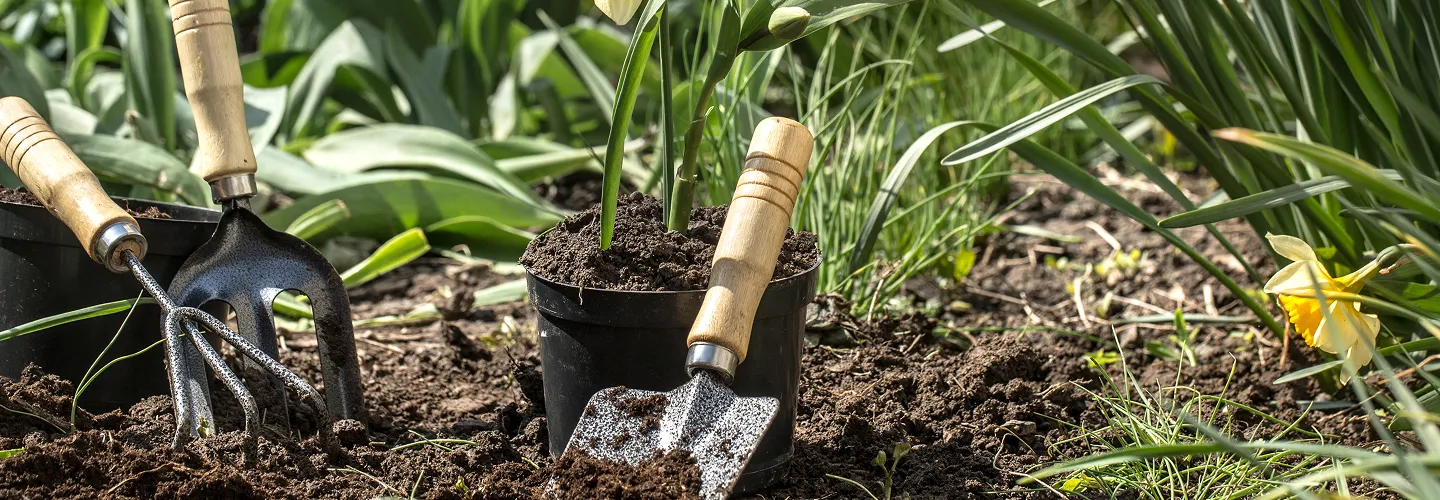
North Mountain Village Dethatching Lawn Services
Choose our dethatching lawn services for a healthier, greener yard—our experienced team removes built-up thatch to promote stronger roots, better water absorption, and a lush, vibrant lawn you’ll love.
Get a Free QuoteOur North Mountain Village Landscaping & Yard Care Services
When to Schedule Dethatching Lawn in North Mountain Village, Arizona – Seasonal Guide
In North Mountain Village, Arizona, the best time to schedule lawn dethatching is typically in late winter to early spring, just before the main growing season begins. This timing allows your lawn to recover quickly and take full advantage of the warmer temperatures and increased sunlight. Given the area’s unique climate—characterized by mild winters, hot summers, and occasional drought conditions—dethatching outside of the peak heat helps prevent additional stress on your turf. Neighborhoods near North Mountain Park and along Thunderbird Road often experience varying shade coverage and soil types, which can influence the ideal dethatching window. Local environmental factors such as the last frost date, which usually falls in early February, and the risk of spring droughts should be considered when planning your service. For more information on local climate patterns and municipal guidelines, you can consult the Sudbury town resources.
Local Factors to Consider for Dethatching Lawn in North Mountain Village
- Tree density and shade coverage, especially in areas like Lookout Mountain Preserve
- Soil composition, with sandy soils requiring different care than clay-heavy areas
- Recent precipitation levels and drought risk
- Terrain slope and drainage, particularly in hillside neighborhoods
- Municipal restrictions or water usage guidelines
- Timing relative to the last frost and the start of the growing season
Benefits of Dethatching Lawn in North Mountain Village
Improved Lawn Health
Enhanced Water Absorption
Boosted Grass Growth
Reduced Pest Problems
Increased Curb Appeal
Professional Landscaping Expertise
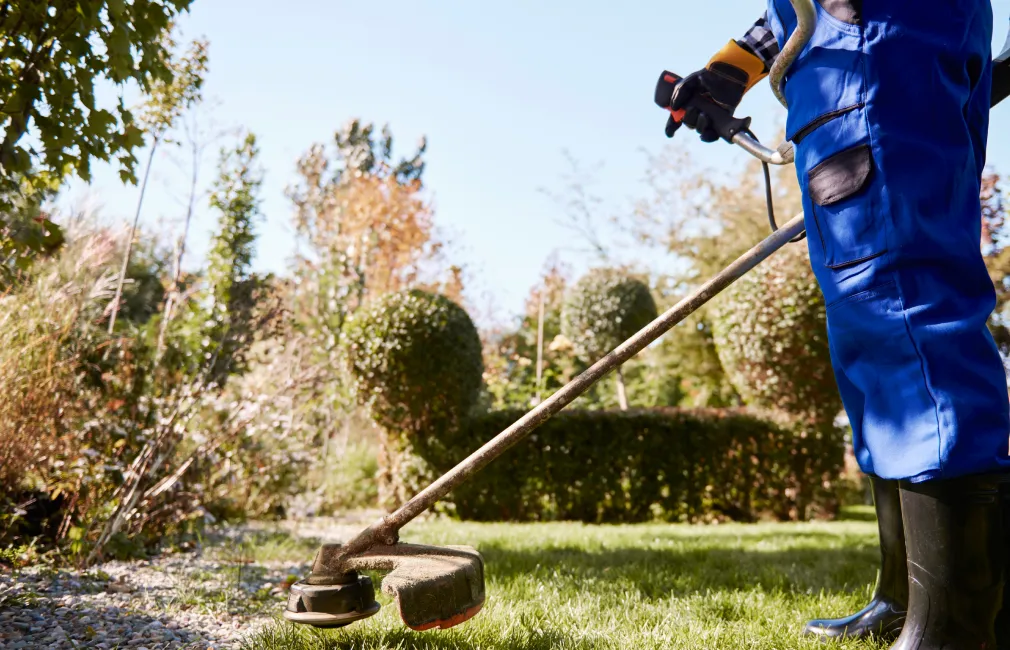
North Mountain Village Dethatching Lawn Types

Cool-Season Grass Dethatching
-
Warm-Season Grass Dethatching
-
Residential Lawn Dethatching
-
Commercial Lawn Dethatching
-
Sports Field Dethatching
-
Golf Course Dethatching
-
Park and Recreation Area Dethatching
Our Dethatching Lawn Process
Lawn Evaluation
Thatch Depth Measurement
Dethatching Equipment Setup
Thatch Removal
Cleanup and Disposal
Why Choose North Mountain Village Landscape Services
North Mountain Village Homeowners Trust Us
-
Expert Lawn Maintenance
-
Reliable Irrigation Solutions
-
Seasonal Clean-Up Services
-
Competitive Pricing
-
Professional Team
-
Satisfaction Guarantee
-
Personalized Service
Coordinating Dethatching Lawn Debris Disposal Through North Mountain Village Municipal Services
North Mountain Village is an urban village within the City of Phoenix, and residents must coordinate dethatching debris disposal through established municipal channels. When dethatching removes accumulated organic material from bermudagrass or overseeded ryegrass lawns, the resulting thatch debris qualifies as green waste under the city's solid waste program. Property owners and managers should bundle or containerize thatch material according to the city's bulk collection guidelines and verify current pickup schedules through the Public Works Department. Commercial dethatching operations generating larger volumes may need to transport material to an approved transfer station rather than relying on curbside collection.
- Thatch debris must be kept out of street gutters, curb inlets, and storm drains to prevent blockage during monsoon events
- Bulk green waste should be placed at the curb in accordance with the city's size and weight requirements—verify current limits before scheduling service
- Properties adjacent to washes or retention basins should take additional precautions to prevent loose thatch from migrating into drainage corridors
Phoenix Public Works Department
200 W. Washington St., Phoenix, AZ 85003
Official Website: Phoenix Public Works Department
Residents with questions about stormwater protection during dethatching operations may also contact the Office of Environmental Programs for guidance on preventing organic debris from entering the municipal separate storm sewer system.
Phoenix Office of Environmental Programs
200 W. Washington St., Phoenix, AZ 85003
Official Website: Phoenix Office of Environmental Programs
How North Mountain Village's Desert Heat and Alkaline Soils Affect Dethatching Lawn
North Mountain Village sits in the low Sonoran Desert within USDA Hardiness Zone 10a, where summer temperatures routinely exceed 110°F and annual rainfall averages under eight inches. These conditions directly influence thatch accumulation and the timing of dethatching operations. Common bermudagrass—the dominant warm-season turf in this area—produces aggressive stolons and rhizomes that generate substantial thatch layers, particularly when irrigated on municipal water with elevated mineral content.
- Alkaline soils: The predominant soils in this part of Phoenix tend toward high pH and may include caliche layers, which slow microbial decomposition of organic matter and accelerate thatch buildup
- Irrigation dependence: Because turf survival depends entirely on supplemental irrigation, water penetration through thatch is critical—excessive thatch can redirect irrigation water laterally rather than allowing it to reach the root zone
- Reflected heat: Block walls, concrete driveways, and decomposed granite hardscape common throughout North Mountain Village amplify radiant heat stress on turf, making efficient water delivery through a thatch-free surface essential
- Monsoon exposure: Summer monsoon storms between July and September can deposit sediment on turf surfaces, compounding thatch-related drainage problems
The University of Arizona Cooperative Extension provides region-specific guidance on bermudagrass thatch management adapted to low-elevation Arizona conditions.
Stormwater Compliance and Regulatory Standards for Dethatching Lawn in North Mountain Village
Dethatching operations in North Mountain Village must comply with stormwater quality requirements under the City of Phoenix's Phase II Municipal Separate Storm Sewer System (MS4) permit, administered in coordination with Arizona DEQ stormwater programs. Loose thatch, soil particles, and organic debris dislodged during dethatching can wash into storm drains and ultimately reach local waterways if not properly contained. Under the Clean Water Act, non-stormwater discharges—including landscape debris carried by irrigation runoff—are prohibited from entering the municipal storm sewer system.
- Dethatching should not be performed immediately before scheduled irrigation cycles if runoff could carry debris off-site
- All dislodged thatch must be raked, vacuumed, or bagged before irrigation resumes
- Properties near the Cave Creek Wash corridor, North Mountain Park drainage areas, or neighborhood retention basins should exercise heightened containment measures
- Pesticide or fertilizer applications made in conjunction with dethatching must be performed by individuals holding appropriate credentials through the Arizona Department of Agriculture
The Arizona Department of Water Resources also provides landscaping conservation guidance relevant to irrigation scheduling around dethatching activities, particularly during designated drought stages.
Timing Dethatching Lawn Around North Mountain Village's Growing Seasons and Monsoon Cycle
Professional dethatching in the low desert should be timed to coincide with the beginning of bermudagrass's active growth period, typically from late April through early June, when soil temperatures consistently exceed 65°F and the turf can recover rapidly. Dethatching during dormancy or extreme summer heat significantly increases the risk of turf loss. For properties that overseed with perennial ryegrass in fall, a secondary dethatching window may occur in late March or early April as the ryegrass transitions out and bermudagrass resumes growth.
- Power raking removes surface-level thatch using rotating flail blades set to a shallow depth; this method suits lawns with moderate thatch accumulation of roughly half an inch or less
- Vertical mowing (verticutting) cuts through the thatch layer with vertical blades spaced at intervals appropriate to the turf species, typically used when thatch exceeds half an inch
- Post-dethatching irrigation should begin within 24 hours to support turf recovery, with frequency adjusted to prevent surface drying during the initial two-week healing period
- Mowing height should be lowered slightly before dethatching to improve blade contact, then returned to the species-appropriate height—generally 0.5 to 1.5 inches for hybrid bermudagrass or 1.5 to 2 inches for common bermudagrass
The Turfgrass Maintenance Guide for Low Elevation Arizona from the University of Arizona provides detailed species-specific maintenance calendars applicable to North Mountain Village properties.
What Neighborhoods Do We Serve Throughout North Mountain Village, AZ?
- Sunnyslope — One of North Mountain Village's oldest established communities, Sunnyslope features many irrigated bermudagrass lawns on compact residential lots where thatch accumulation is common due to decades of turf establishment on compacted fill soils
- North Mountain Park area — Properties surrounding North Mountain Preserve often feature mature landscaping with mixed turf and desert plantings, where dethatching must account for proximity to natural wash corridors and park drainage infrastructure
- Valley Vista — This residential area includes mid-century homes with established irrigation systems and bermudagrass lawns that benefit from regular dethatching to maintain water penetration through aging turf profiles
- Royal Palm neighborhood — Characterized by larger lot sizes and well-maintained turf areas, Royal Palm properties frequently require verticutting to manage aggressive bermudagrass thatch in high-heat exposure zones adjacent to block walls and concrete
- Palomino neighborhood — Subdivision-era lots in Palomino often sit on compacted desert fill with alkaline subsoils, making thatch removal particularly important for ensuring irrigation efficiency and root-zone moisture delivery
- Moon Valley — This established community features irrigated residential lawns where reflected heat from surrounding hardscape intensifies turf stress, making timely dethatching essential for maintaining healthy water infiltration